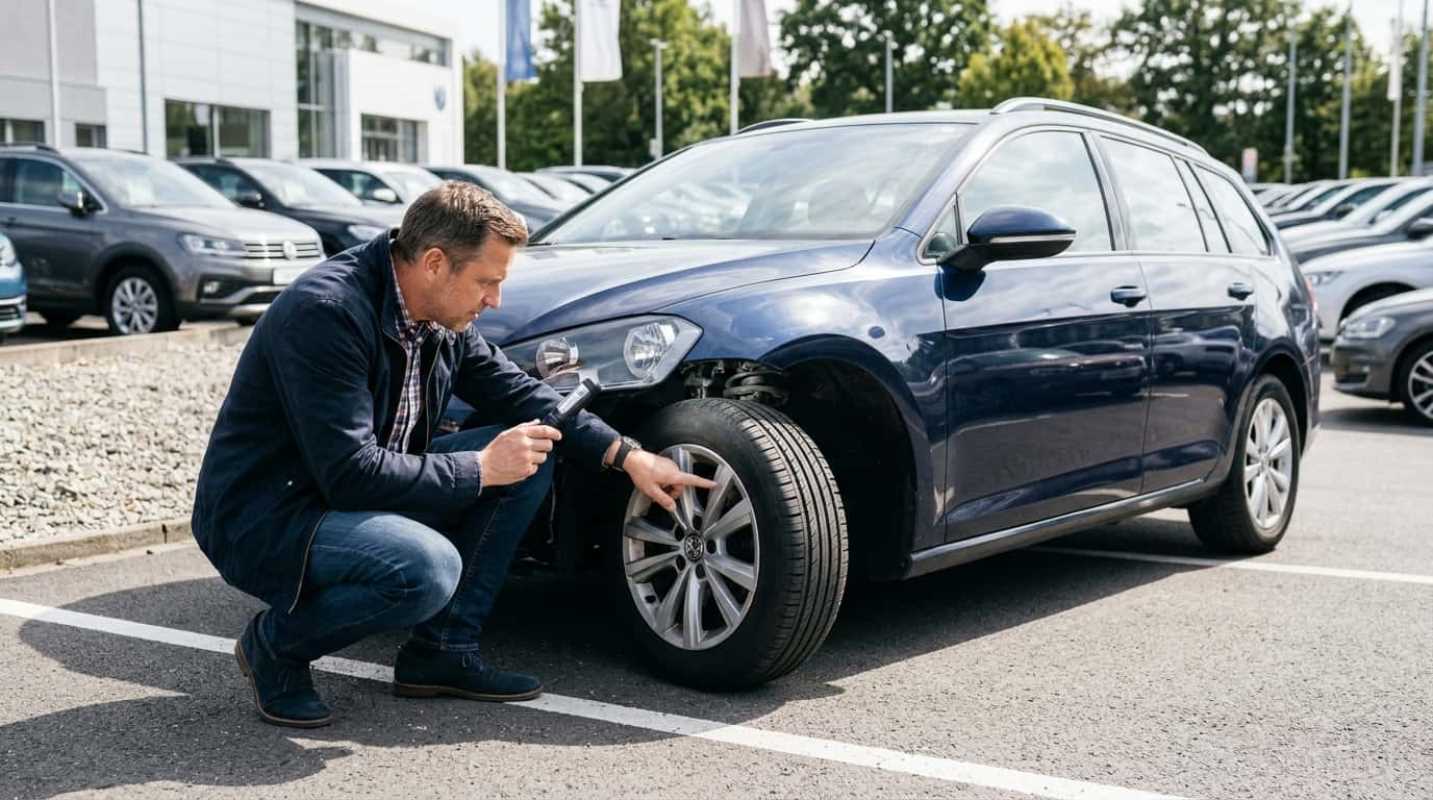
You find a listing online, the photos look spotless, and the freshly waxed paint gleams in the sunlight. It is easy to get swept up in the excitement of a new set of wheels. But underneath that polished clear coat could be a bent frame, a blown head gasket, or thousands of dollars in deferred repairs waiting to hit your bank account.
Buying a used vehicle today requires more detective work than it used to. According to data from S&P Global Mobility, the average vehicle on American roads is now between 12.6 and 12.8 years old.¹ People are holding onto cars longer, driving them harder, and skipping scheduled services. With three-year-old used cars averaging roughly $31,000, you cannot afford an expensive surprise the week after you bring the car home.
Treat the shopping process like an investigation. When you approach every listing with a healthy dose of skepticism, you protect your wallet. You do not need to be a certified technician to spot serious trouble. You just need to know where to look and when to walk away.
The Pre-Work: Digging Into the Vehicle History Report
Your inspection starts on your phone long before you set foot on a seller's driveway. Requesting and running a vehicle history report through CARFAX, AutoCheck, or the National Motor Vehicle Title Information System (NMVTIS) is non-negotiable.
Pay close attention to title brands. Words like "salvage," "rebuilt," or "flood" mean an insurance company once wrote the vehicle off as a total loss. Although rebuilt vehicles are cheap, getting full collision insurance on them is difficult, and structural safety may be compromised. Watch out for title washing too, where shady sellers register flooded or totaled cars across state borders to scrub branded titles clean.
Check for regular oil changes and look out for long gaps in the paperwork. A two-year gap with zero records often points to neglected maintenance.
Verify the paperwork matches the person selling the car. Ask to see their driver's license alongside the title. If their name is not on the front of the title, they are likely curbstoning: an unlicensed dealer flipping cars without paying taxes or taking legal responsibility. In all fifty states, signing as a buyer and reselling without registering the car is illegal title jumping.
Odometer rollback fraud is also climbing rapidly. Research from CARFAX reveals that roughly 2.45 million vehicles on the road have had their odometers illegally altered, a 14 percent jump year over year.² Unscrupulous sellers use handheld digital tools that plug into the diagnostic port to roll back mileage in seconds. Compare the reported history against what the digital cluster shows.
Your Ultimate Used Car Inspection Checklist
Once the paperwork checks out, schedule a viewing. Always ask the seller to leave the engine completely cold before you arrive. A warm engine can hide starter trouble, cold-start rattles, and bad misfires.
Work your way systematically through these areas:
• Exterior and Tires: Inspect the panel gaps along the hood, doors, and fenders. Uneven gaps indicate prior crash damage. Sight down the body lines in daylight to check for wavy metal or paint overspray along rubber trim. Read the four-digit DOT date code on the tire sidewalls (like "2221" means the 22nd week of 2021). Tires over six years old require replacement, and uneven tread wear points to bad wheel alignment or shot suspension bushings.
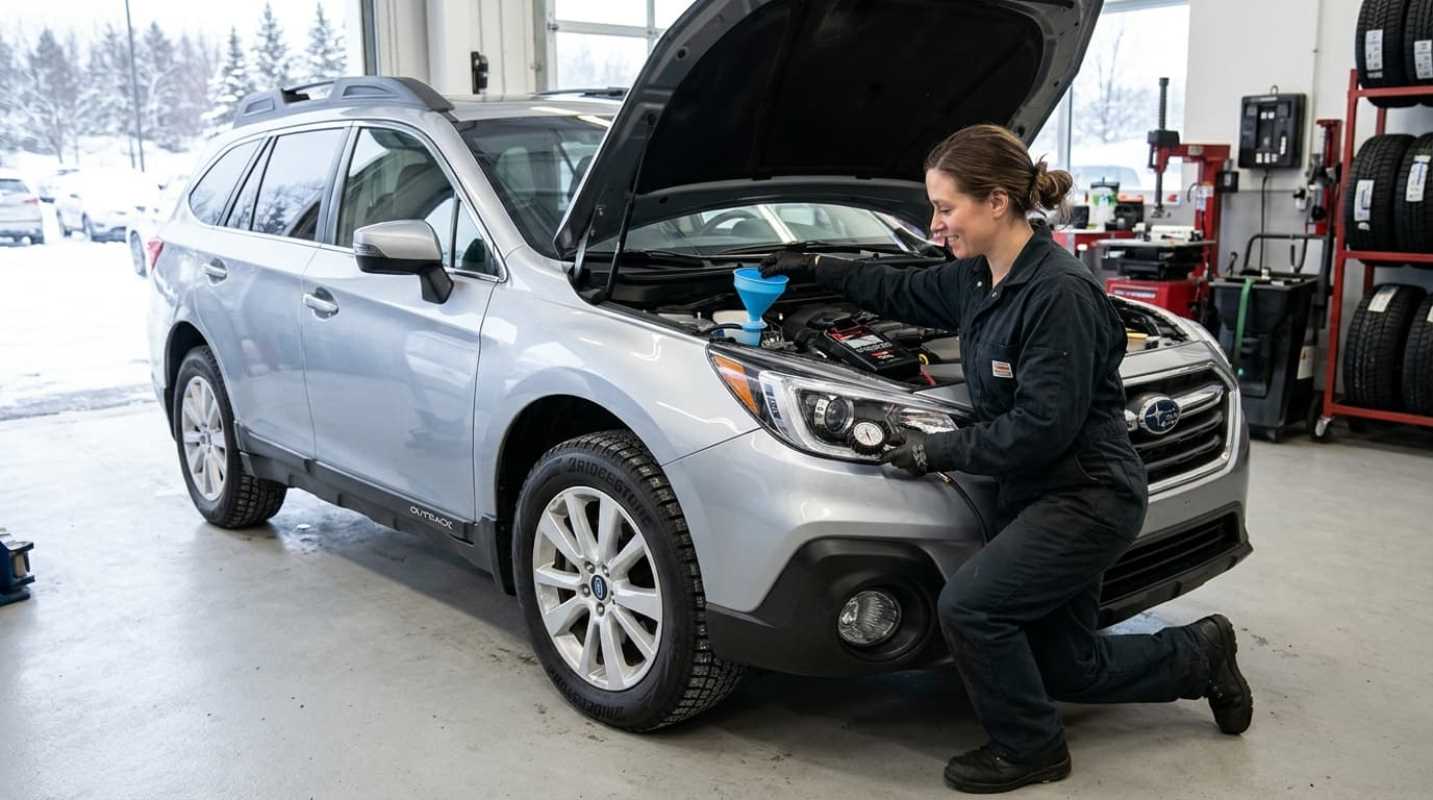
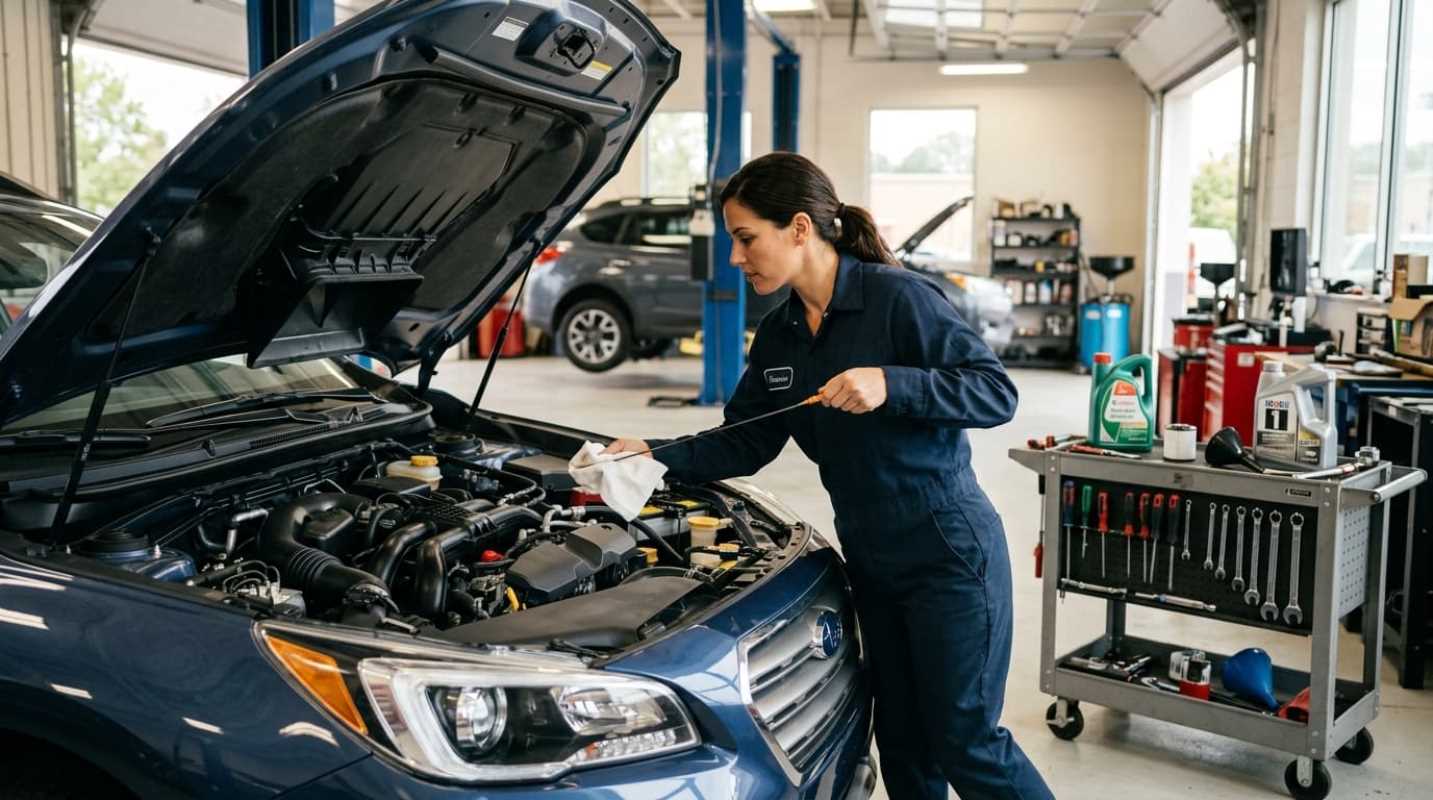
• Under the Hood: Pull the engine oil dipstick and inspect the color. More importantly, twist off the oil filler cap. If you see a milky, frothy gunk resembling chocolate pudding, stop right there. That means engine coolant is mixing with the oil from a cracked block or blown head gasket. Check the coolant reservoir; it should be translucent green, pink, or blue, never muddy brown with oil slicks.
• Interior and Flood Checks: Give the cabin a thorough sniff. Heavy doses of cheap air freshener often hide musty mildew from water damage. Peel back the edge of the floor carpet near the door sill and look for silt or rust. Inspect the bare metal springs underneath the seats and the pedals. Flaky rust on raw steel parts inside a dry cabin means the vehicle was submerged.
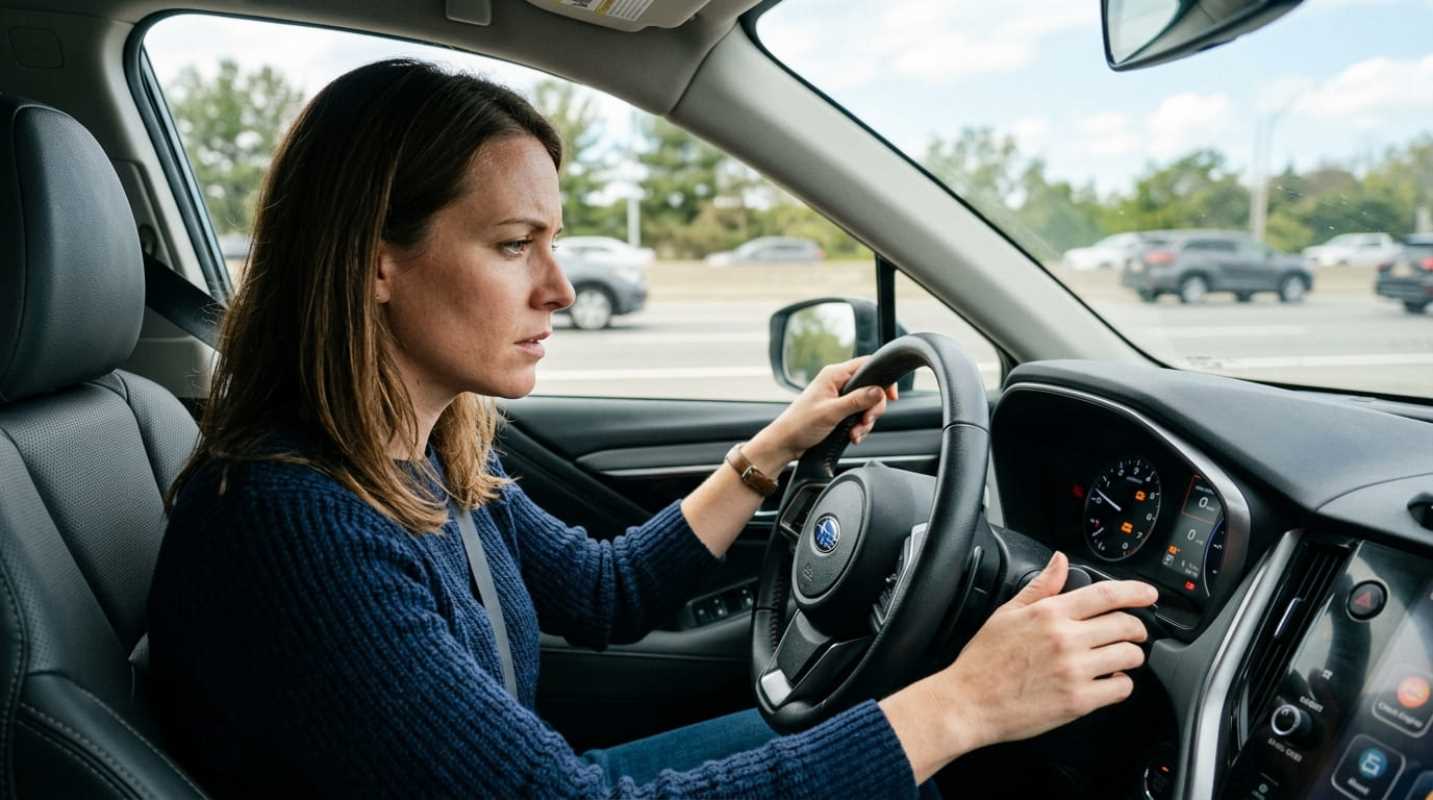
• The Electrical Sweep: Turn the key to the ignition position without firing the engine. Make sure the Check Engine, ABS, and airbag lights all turn on. Shady sellers sometimes pull LED bulbs or cover them with electrical tape to hide active system failures. Test every window, seat heater, and climate control setting.
• The OBD-II Scan: Plug a basic diagnostic scanner into the port beneath the steering wheel. Check the "I/M Readiness" monitors. If multiple monitors read "Not Ready," someone disconnected the battery or cleared trouble codes ten minutes before you arrived. Those warning lights will reappear after thirty miles of driving.
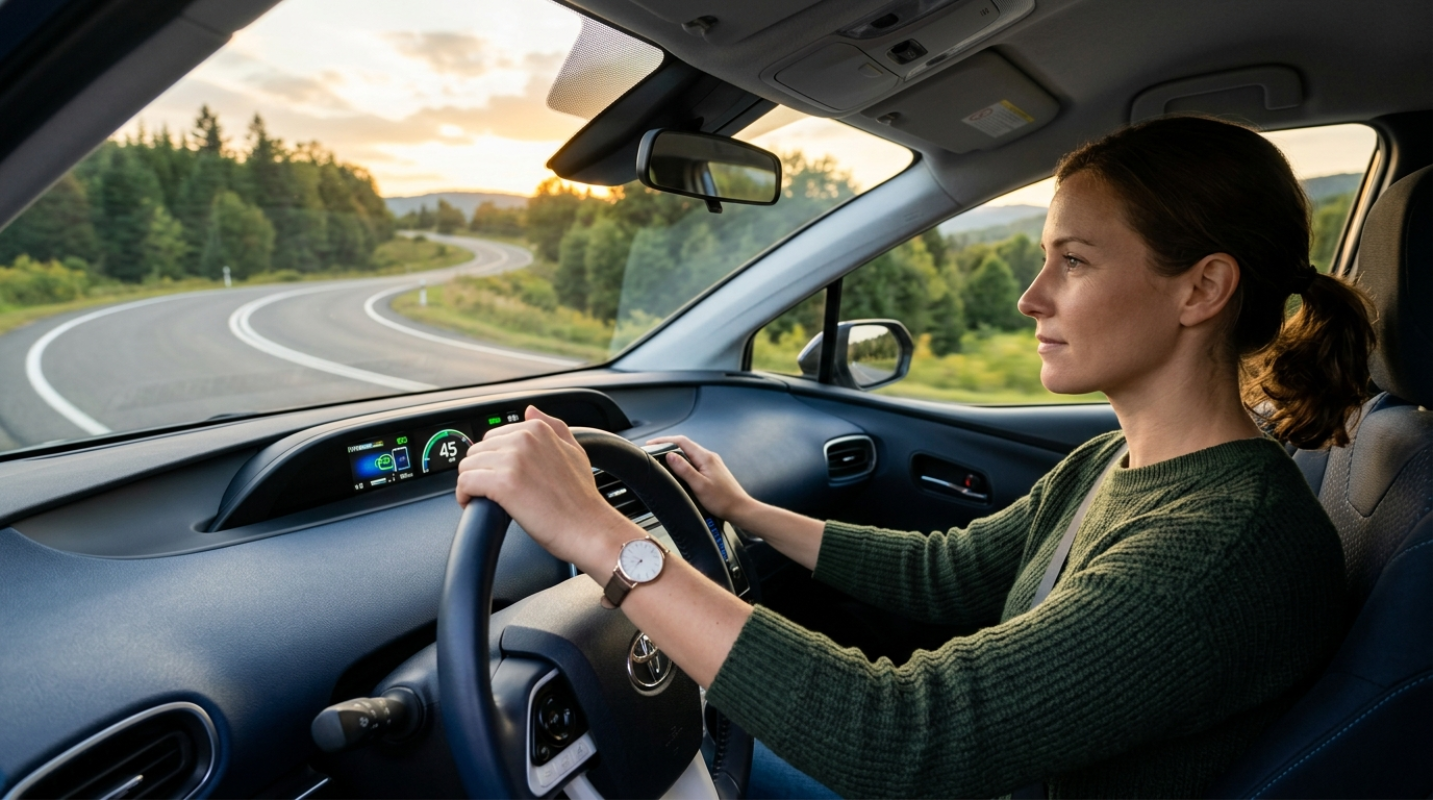
• The Dynamic Test Drive: Have a friend start the car while you watch the exhaust pipe. Blue smoke means burning oil, while sweet-smelling white clouds signal burning coolant. Shift between Drive and Reverse to feel for clunks or delayed engagement. Accelerate firmly onto a highway, feel for transmission hesitation, and perform a firm stop from 45 mph. The car should stop straight without vibrations in the brake pedal.
Red Flags When Buying Used: Know When to Walk Away
Some flaws can be negotiated down, but other defects are dealbreakers that should send you straight back to your car.
Walk away immediately if you run into any of the following situations:
• The Seller Refuses an Inspection: If a private party or dealer refuses to let you take the car for an outside evaluation, they know something expensive is broken. Move on.
• Fresh Black Undercoating: Heavy, gummy black spray plastered across the frame rails is often applied right before listing to hide catastrophic structural rust.
• Puffs of Blue or White Exhaust: Engine rebuilds cost thousands of dollars. Do not buy someone else's failing valve guides, piston rings, or head gaskets.
• Transmission Slips or Hard Clunks: Hesitation when shifting gears or an engine revving without accelerating means the transmission is dying. Replacement costs routinely run between $3,500 and $8,000.
• Unresolved Flood Evidence: Water wreaks havoc on modern wiring harnesses and airbag computers. A flood-damaged car will develop phantom electrical nightmares for years to come.
The Final Step: Why a Pre-Purchase Inspection is Your Best Friend
You performed the initial sweep and the vehicle passed your tests. Do not pull out your wallet just yet. The single best investment you can make before signing a title is a professional pre-purchase inspection (PPI).³
A trained mechanic puts the car on a hydraulic lift, giving them an unobstructed view of the subframe, steering rack, suspension ball joints, and brake lines. You simply cannot see those parts while crouching in a parking lot.
A PPI typically costs between $150 and $250. Think of it as cheap insurance. If the mechanic finds the car is in great shape with only minor wear on the rear brake pads, you can use that written estimate to negotiate $500 off the asking price. If they uncover a leaking rear main seal or frame damage, you spent $200 to save yourself from a catastrophic financial trap. Taking that extra step makes sure your next used car purchase is an exciting upgrade rather than an ongoing headache.
Sources:
1. Average Age of Vehicles in the US
https://www.mobilityglobal.com/en-us/automotive-insights/blog/average-age-of-vehicle-in-us
2. CARFAX Odometer Rollbacks See Dramatic Jump
https://www.prnewswire.com/news-releases/carfax-odometer-rollbacks-see-dramatic-jump-of-14-to-2-45-million-vehicles-302643855.html
3. How Do You Get a Pre-Purchase Inspection?
https://www.autotrader.com/car-shopping/how-do-you-get-pre-purchase-inspection-buying-used-car-257963
*This article on EveryKnown is for informational and educational purposes only. Readers are encouraged to consult qualified professionals and verify details with official sources before making decisions. This content does not constitute professional advice.*