Have you taken a close look at new car prices lately? Walking onto a dealership lot feels like stepping into an alternate reality where sticker shock is the house specialty. Between sky-high purchase prices and interest rates that make your wallet ache, holding onto your current vehicle is one of the smartest financial moves you can make.
The data backs this up. The average age of light vehicles in the United States climbed to a record 12.8 years.¹ Cars are built better today than they were decades ago, and modern powertrains can easily reach 200,000 or even 300,000 miles. But they do not get there on good luck alone.
Too many drivers treat vehicle ownership like a game of maintenance roulette. CARFAX discovered that roughly 41% of vehicles on the road are overdue for at least one major service.² That is a ticking financial time bomb. With auto repair costs jumping over 43% in recent years, ignoring routine maintenance to save fifty bucks today will happily hand you a four-thousand-dollar engine replacement tomorrow. Extending the life of your car is not a chore. It is a steady habit that protects your bank account.
Stick to Your Routine Vehicle Maintenance Schedule
If you want the real secret to car longevity, open your glove compartment and pull out that thick booklet covered in dust. Your owner's manual is the definitive guide to keeping your ride alive. Following the manufacturer's timeline prevents premature mechanical failure before friction and heat take their toll.
Fluid management is where most car owners drop the ball. Fluids break down chemically, collect dirt, and lose their ability to protect moving parts. Here is what you should focus on to keep everything running clean
• Engine oil and filter: Although many manufacturers advertise 10,000-mile oil change intervals, master technicians warn against this for daily commuters. Most people fall into the severe driving category, which includes short trips under ten miles, stop-and-go traffic, and cold starts. Stick to full synthetic oil changes every 5,000 to 7,500 miles, or every 3,000 to 5,000 miles if you take lots of short winter trips.
• Transmission fluid: Do not fall for the lifetime fluid myth. Automakers often define lifetime as the duration of the warranty period, not the actual life of your vehicle. Servicing automatic and continuously variable transmissions (CVTs) every 30,000 to 60,000 miles prevents slipping clutches and expensive valve body replacements.
• Brake fluid: Brake fluid is hygroscopic, meaning it absorbs moisture right out of the air through rubber hoses. That water drops the fluid's boiling point, leading to spongy pedals, and slowly rusts your anti-lock braking system from the inside out. Flush it every two to three years or 30,000 miles.
• Engine coolant: Coolant additives wear out over time. When they do, corrosion attacks your water pump, radiator, and heater core. A coolant flush every five years protects your cylinder head and head gasket from overheating failures.
Listen to Your Car and Catch Warning Signs Early
Your car constantly talks to you. The problem is that most people ignore the whispers until the car starts screaming.
Take dashboard lights, like. A steady check engine light might seem harmless if the engine feels fine, but it frequently points to a failing oxygen sensor or EVAP purge valve. Replacing an oxygen sensor costs a couple hundred dollars. Ignoring it allows unburnt fuel to enter your exhaust stream, which will cook and melt your catalytic converter. That turns a simple fix into a multi-thousand-dollar catastrophe.
Unusual sounds and vibrations deserve the same swift attention. A faint squeal when pressing the brake pedal is a warning tab telling you the pads are low. If you replace the pads now, you save your rotors. If you wait until you hear a grinding noise, you are chewing through metal and doubling your repair bill. A rhythmic thumping from the front end could be an unbalanced tire or a worn wheel bearing. Catching these small quirks early prevents secondary damage to expensive suspension links and steering racks.
Driving Habits That Save You Thousands
How you treat your car from behind the wheel directly impacts how long its mechanical parts survive. Aggressive driving is not just dangerous; it puts massive shear stress on your transmission, engine mounts, and suspension bushings.
Cold starts require a little patience. When temperatures drop, you do not need to let your car idle in the driveway for fifteen minutes. Extended cold idling actually washes raw gasoline down the cylinder walls, which strips away the protective oil film and contaminates your oil. Instead, start the engine, wait 30 to 45 seconds for full oil pressure to establish, and then drive away gently. Keep your revs low until the temperature gauge reaches its normal middle position.
Smooth pedal inputs pay enormous dividends over the years. Slamming on the gas pedal only to stomp on the brakes at the next red light burns through fuel, brake pads, and tire tread at an alarming rate. Anticipate traffic patterns ahead. Coast when you see brake lights in the distance, and accelerate gradually. Your wallet, your brake calipers, and your tires will thank you.
The Underrated Power of Exterior and Interior Care
Vehicle preservation is not strictly mechanical. Neglecting your car's exterior and cabin can ruin its structural integrity and destroy its trade-in value when you eventually decide to sell.
Road salt, winter brine, and coastal air are ruthless enemies of sheet metal. Once rust establishes a foothold in your vehicle's subframe, rocker panels, or brake lines, the car can become structurally unsafe to drive. Giving your car a high-pressure undercarriage wash every couple of weeks during the winter strips away corrosive salts before they can eat into the steel. A fresh coat of wax or ceramic sealant twice a year shields your clear coat from sun fading, bird droppings, and tree sap.
Inside the cabin, direct sunlight is your biggest hazard. Ultraviolet rays dry out leather seats, crack dashboard plastics, and fade upholstery. Using a simple windshield sunshade and wiping down interior surfaces with UV-protectant conditioner takes two minutes, but it keeps the cabin looking fresh for a decade. Beyond the cash value, driving a clean, well-maintained vehicle shifts your mindset. When a car looks great and smells clean, you naturally treat it with more care.
Keeping your vehicle in peak shape requires a mix of reliable parts, dedicated fluids, and the right diagnostic tools.
Investing in Your Ride for the Long Haul
Preventive vehicle maintenance is an investment that pays you back every single month you do not have a car payment. AAA estimates that standard maintenance and minor repairs cost approximately $1,424 annually for an average driver.³ Compare that modest yearly budget against the financial shock of buying a replacement car or financing a seven-thousand-dollar remanufactured engine.
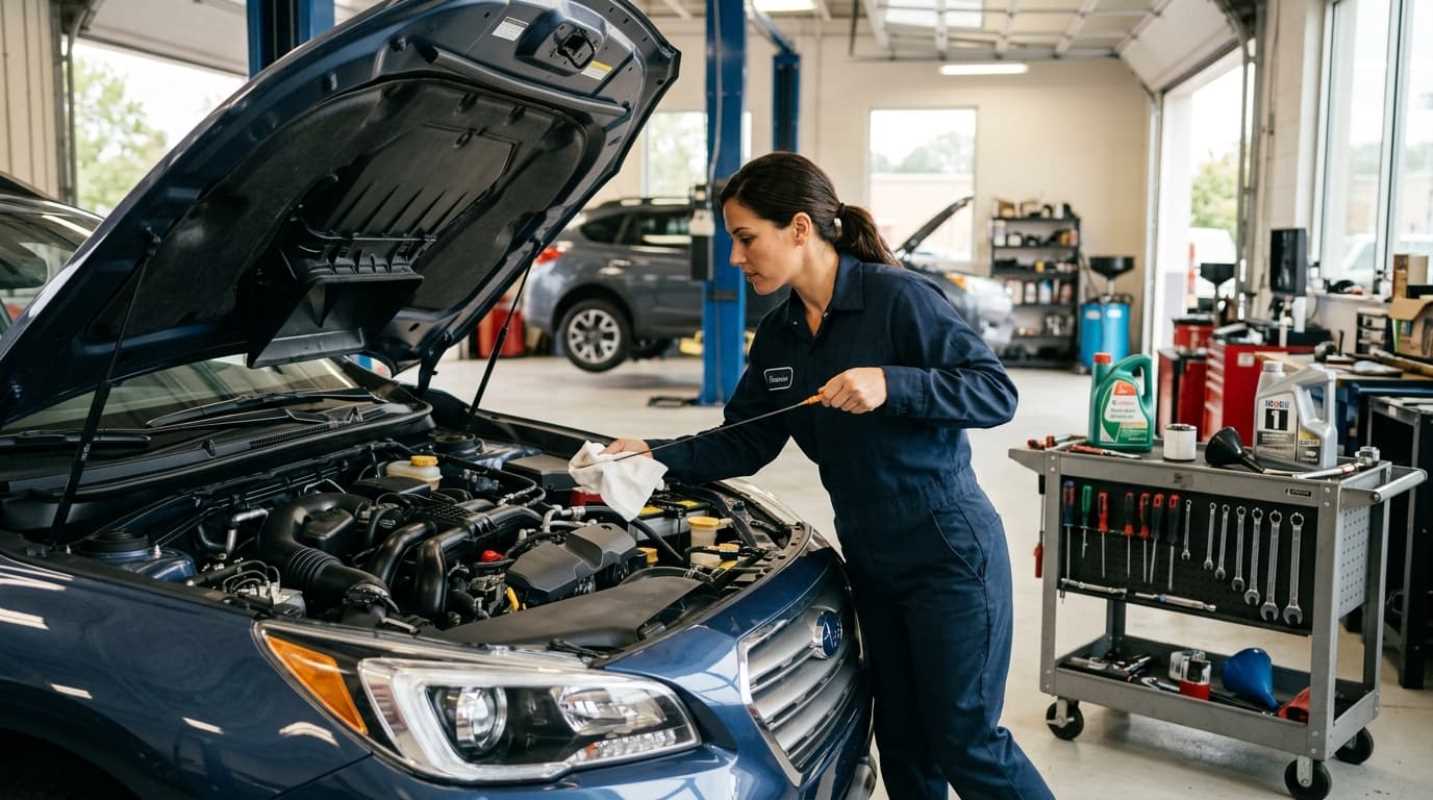
You do not need to become a certified master mechanic overnight to protect your investment. Start by picking one small maintenance habit today. Check your oil level on the dipstick this weekend, test your tire pressure with a handheld gauge, or schedule that transmission service you have been putting off for six months.
When you take care of your car, it takes care of you. The ultimate payoff is not just saving thousands of dollars over the life of the vehicle. It is the priceless peace of mind that comes from knowing your car will start up, drive smoothly, and get you home safely every single time you turn the key.
Sources:
1. Average U.S. Vehicle Age Rises Again to a Record 12.8 Years
https://www.autoremarketing.com/ar/analysis/average-u-s-vehicle-age-rises-again-to-a-record-12-8-years/
2. CARFAX: 41% of Vehicles Overdue for Major Service
https://www.autobodynews.com/news/carfax-41-of-vehicles-overdue-for-major-service-creating-risks-and-opportunities-for-shops
3. How Long Do Modern Cars Last?
https://www.ace.aaa.com/publications/auto/drive-smart/car-longevity.html