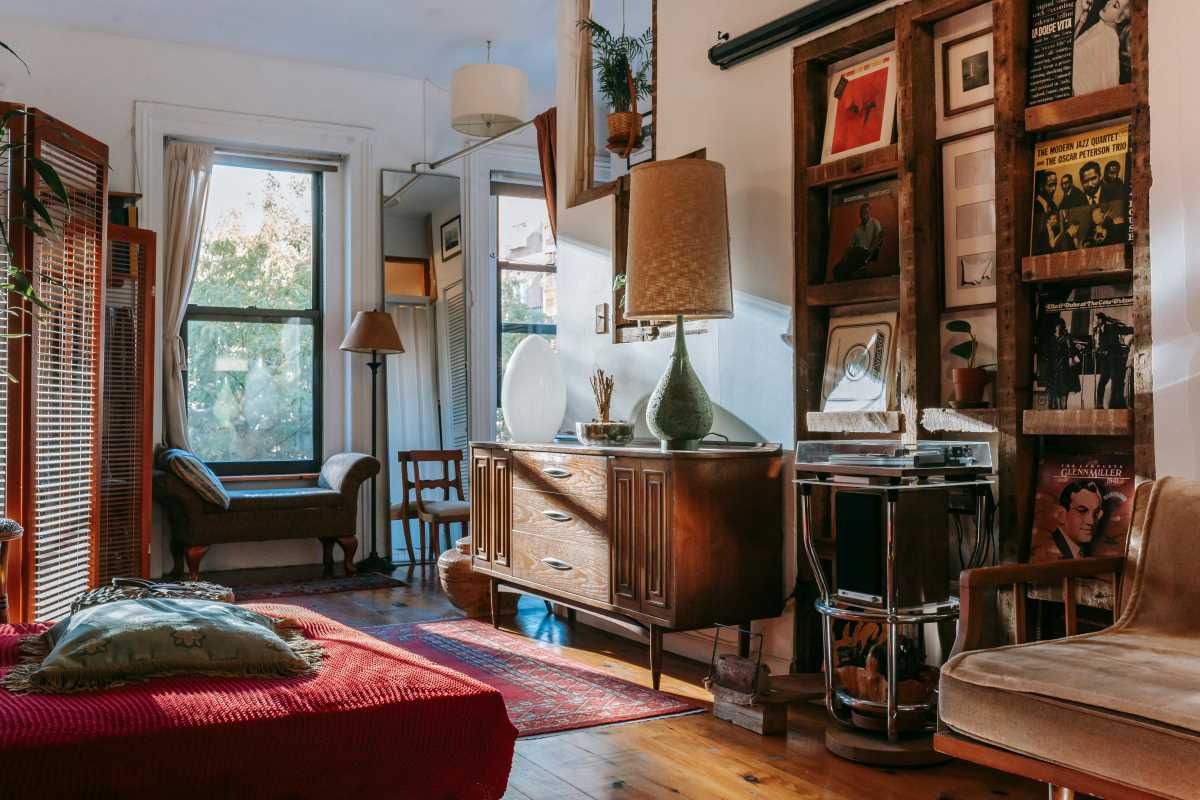
Think about your favorite room in your house. Maybe it's the sunlit corner where you sip your morning coffee or the kitchen where your family always gathers on weekends. Home is where comfort lives, and staying there as you grow older is a natural, smart priority.
According to research from AARP, roughly 75% of adults aged 50 and older want to stay in their current homes for the long haul.¹ Yet, U.S. Census data shows that only about 10% of American homes are actually ready for aging residents. That is a massive gap, but closing it does not require an immediate, budget-busting renovation.
Making a home safer is a proactive lifestyle upgrade. When you swap out a few tricky fixtures and clear wide pathways today, you protect your independence for years to come. Best of all, modern accessibility looks fantastic. It blends seamlessly into your personal style without feeling cold or clinical.
The Living Room Decluttering for Safety and Flow
Living rooms should feel open and relaxing, but furniture creep happens to all of us over time. Extra side tables, footstools, and decorative plant stands slowly eat away at your walking space. Before you buy any new gadgets, take an honest look at your main traffic paths.
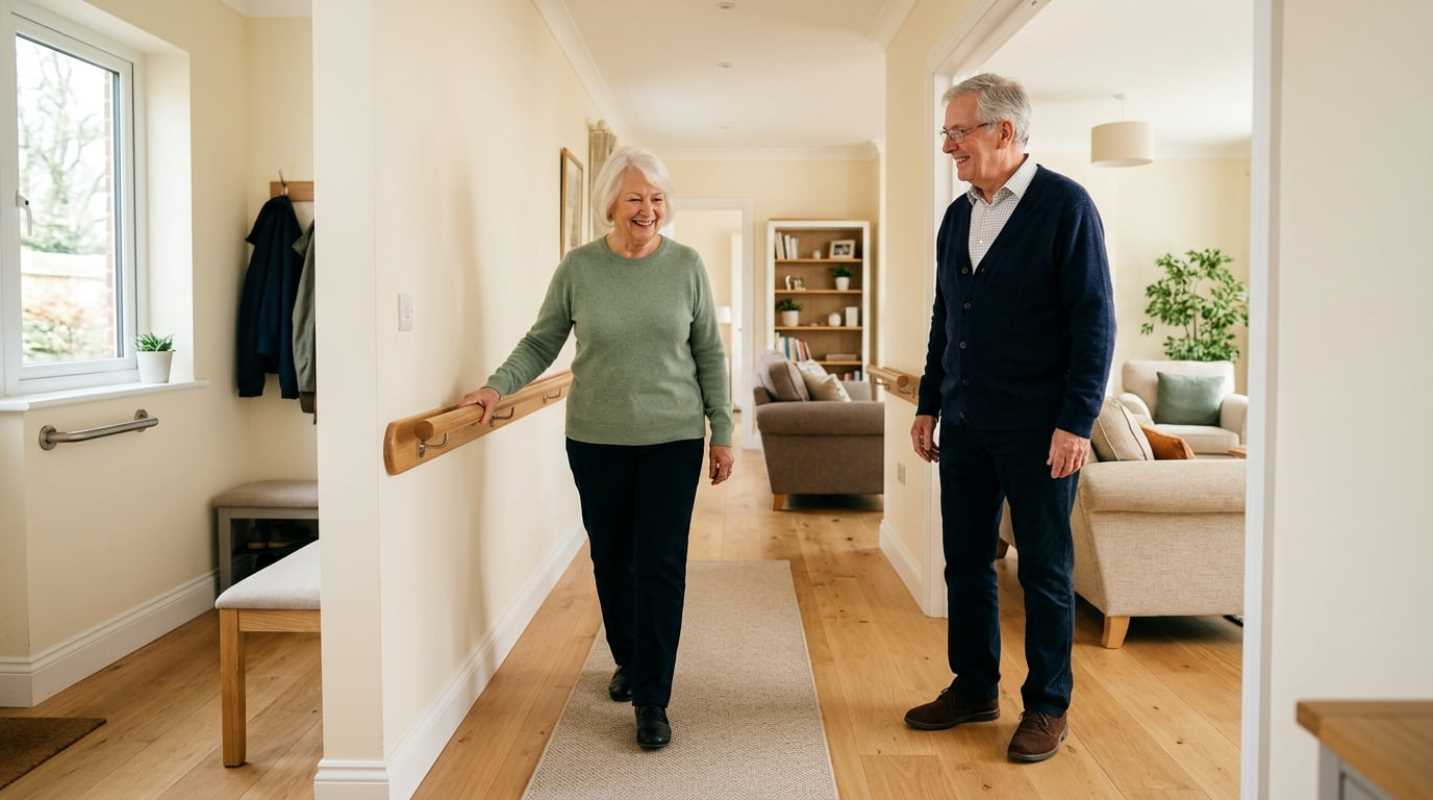
Start by clearing a walkway that is at least 36 inches wide from the front entry through to the kitchen and bedrooms. This gives anyone using a cane, walker, or just carrying heavy grocery bags plenty of breathing room. If you have to turn sideways to squeeze past a coffee table, that table needs a new home.
Next, take a hard look at your floor coverings. Throw rugs add color, but they are notorious hazards. The edges curl up, backing strips lose their grip, and shoes easily catch on the borders. If you can part with them, bare floors are always the safest option. If you simply love a specific rug, pin it down firmly with heavy-duty carpet tape or a dense rubber backer.
You can also let smart technology handle the daily physical friction. Setting up a voice-controlled smart speaker lets you adjust the room temperature or turn on lamps without getting up from a comfortable chair. It eliminates the urge to cross a dim room in a hurry just to hit a wall switch.
Kitchen and Bathroom Accessibility Improvements
Bathrooms and kitchens involve water, hard surfaces, and lots of reaching, which makes them prime areas for targeted updates. Data from the Centers for Disease Control and Prevention shows that more than one in four older Americans falls each year.² Fortunately, targeted home safety adaptations can reduce fall rates by up to 38% in high-risk groups.
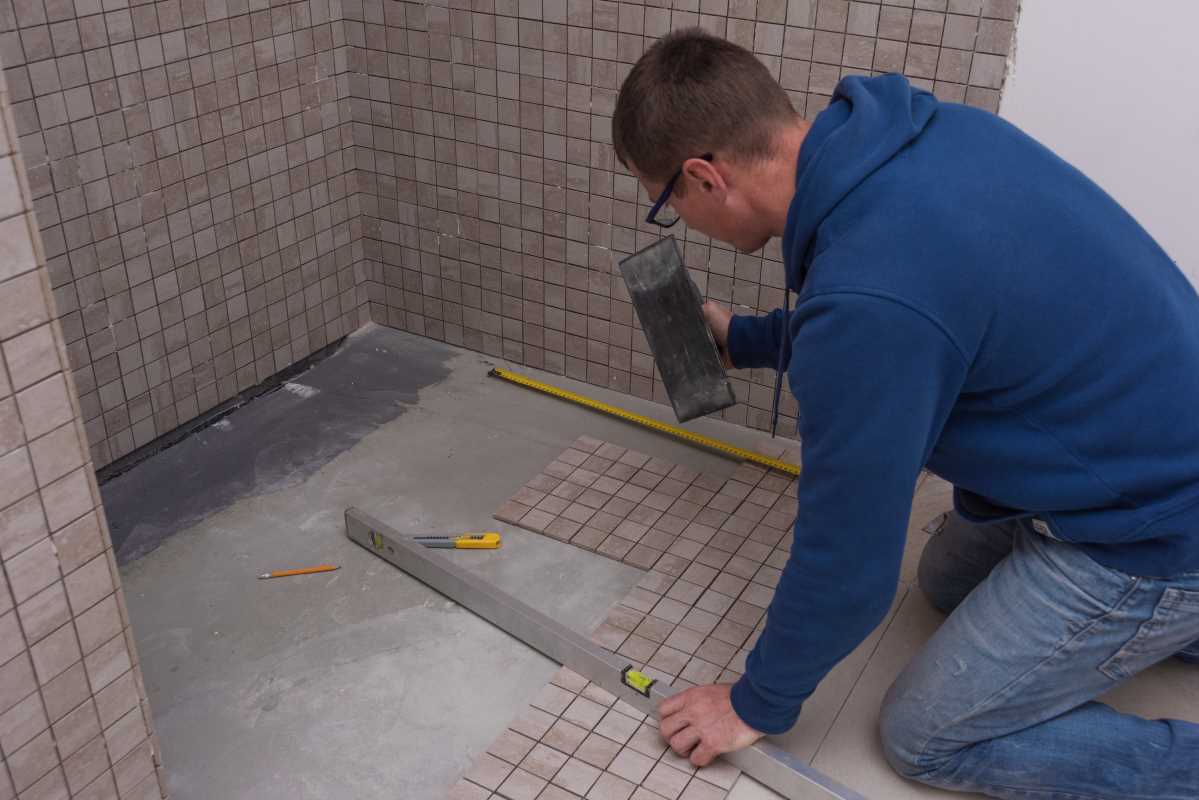
Start in the bathroom, where slick surfaces present daily challenges. Swapping out a high-walled bathtub for a walk-in shower with a low threshold eliminates the awkward step-over that causes so many slips. Inside the shower, add a textured tile floor and a handheld showerhead mounted on an adjustable slide bar.
You should also rethink your grab bars. Forget the sterile chrome bars found in hospitals. Today, you can install designer grab bars disguised as towel racks, toilet paper holders, or soap dishes. Just make sure you anchor them securely into wall studs so they can support up to 500 pounds of direct force. Replacing a low 15-inch toilet with a 17-to-19-inch comfort-height model is another quick fix that spares knees and hips.
In the kitchen, the goal is to reduce extreme bends and awkward stretches. Reorganize your cabinets so everyday dishes, canned goods, and heavy cookware sit between hip and eye level.
• Pull-Out Base Shelves: Retrofitting deep lower cabinets with roll-out sliding drawers lets you see everything at a glance without kneeling on the floor.
• D-Shaped Cabinet Pulls: Wide cabinet pulls give arthritic fingers plenty of use, unlike tiny round knobs that require tight pinching.
• Single-Lever or Touchless Faucets: Lever-action handles let you start the water with an elbow or forearm, while touchless sensors stop wrist strain entirely.
• Induction Cooktops: Upgrading to smooth induction surfaces means burners heat only the pan, cutting burn risks and cooling down instantly after cooking.
Lighting and Visibility to Illuminate Your Path
Have you noticed that reading small print requires brighter lamps than it used to? That is standard biology. As our eyes age, the lenses thicken, requiring two to three times more ambient light to see hazards clearly. Dim, moody lighting might set a cozy evening vibe, but it also hides stray shoes and pet toys.
Upgrade your overhead light fixtures with LED bulbs that produce at least 800 lumens. Look for bulbs in the 2700K to 3000K range to keep the color tone warm and welcoming rather than sterile and harsh. Avoid single pinpoint spotlights, which create harsh glare and deep shadows across the flooring.
Hallways and staircases need special attention at night. Installing plug-in, motion-activated night lights along your baseboards creates a clear runway between the bedroom and bathroom. Low-profile LED toe-kick strip lighting under bathroom vanities serves the same purpose without shocking sleepy eyes with overhead glare.
Do not overlook the switches themselves. Old toggle switches require finger dexterity that can feel stiff on chilly mornings. Swapping them for flat, paddle-style rocker switches lets you tap lights on or off with a wrist, palm, or elbow.
Maintenance and Planning for Safer Living Spaces
Creating an accessible home is an ongoing habit rather than a one-time chore. A seasonal walk-through helps you spot potential hazards before they cause real trouble. Check for wobbly banisters, loose floorboards, and exterior steps slick with moss.
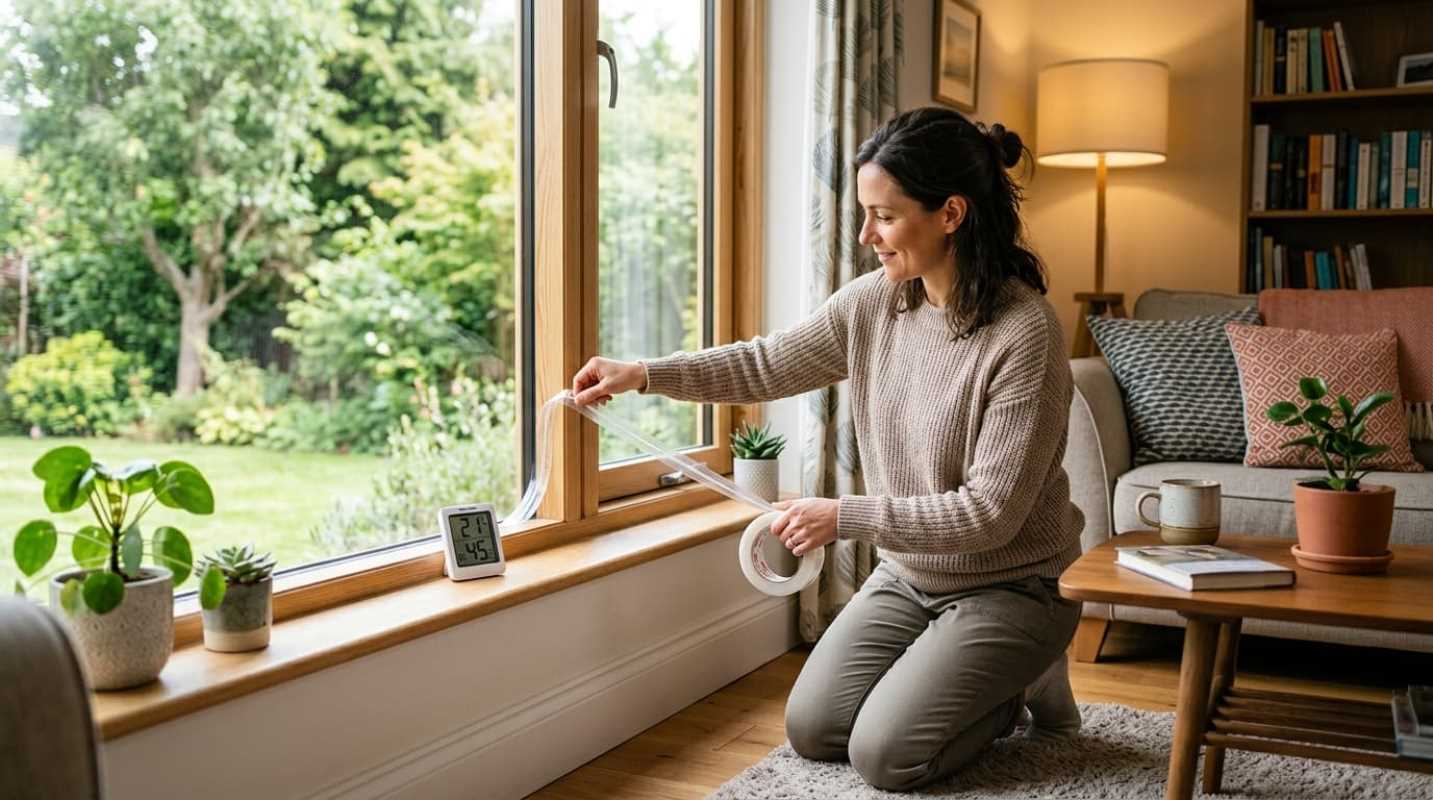
You can easily handle small updates over a single weekend. Replacing door knobs with lever handles, adding non-skid bath mats, and sticking adhesive grip treads on wooden basement stairs take minimal time and basic tools. If a door frame is slightly too narrow for a walker, you can swap out standard door hinges for expandable swing-clear hinges. These budget-friendly hardware pieces swing the door entirely out of the frame opening, instantly gaining you nearly two inches of clearance.
When larger structural changes are on the table, it pays to consult certified professionals. Contractors holding the Certified Aging-in-Place Specialist credential understand how to blend universal design with solid structural engineering.³ Pairing a certified remodeler with an occupational therapist gives you a customized blueprint based on your daily physical habits.
Your Home Your Rules
Staying in the neighborhood you love, surrounded by familiar memories, is worth protecting. You do not need to wait for a close call or a doctor's order to make your living space work better for your daily routine. Proactive changes give you control over your environment, letting you live safely on your own terms.
Take a stroll through your hallway right now. Pick one small improvement, whether that means donating an unused end table, ordering a set of rocker switches, or sticking a bright night light near the bathroom door. Once you see how much easier everyday life feels, you will want to keep the momentum going.
Sources:
1. AARP Home and Community Preferences Survey
https://www.aarp.org/press/releases/2024-12-10-new-aarp-report-majority-adults-50-plus-age-place-policies-communities-catch-up.html
2. CDC Older Adult Fall Prevention
https://www.cdc.gov/falls/about/index.html
3. NAHB Practical Approaches for Aging-in-Place Remodels
https://www.nahb.org/blog/2025/06/practical-approaches-for-aging-in-place-remodels
*This article on Everyknown is for informational and educational purposes only. Readers are encouraged to consult qualified professionals and verify details with official sources before making decisions. This content does not constitute professional advice.*